
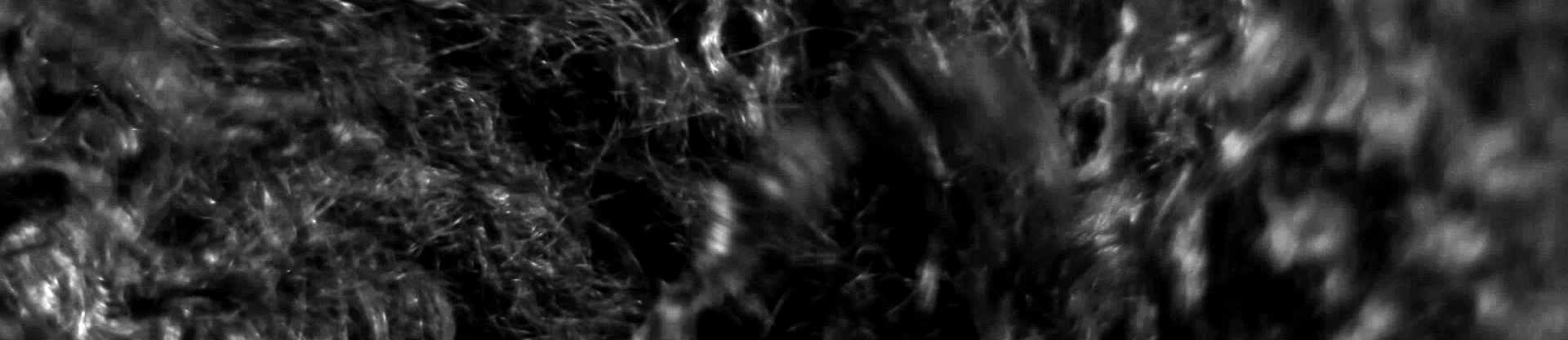
Lorraine O’Grady: LANDSCAPE (WESTERN HEMISPHERE)
Andil Gosine, January 23, 2025
Now renowned performance and visual artist Lorraine O’Grady passed away on December 13, 2024, a few months after she was named a Guggenheim Fellow and shortly after her 90th birthday was marked. Although she never visited the Caribbean, endlessly postponing an invited, funded trip to Jamaica because the timing, it seemed, was never right, she described herself as a “West Indian woman.” Born to Jamaican parents in Boston in 1934, she would grow up in a highly accomplished group of Caribbean folks tagged the “Black Brahmins,” and would contend with these and other aspects of her heritage throughout her life.
In the fifteen years since our introduction to each other on February 19, 2010, O’Grady pursued the making of only three new works, including Looking for a Headdress (2015), a video shown at the En Mas’ traveling exhibition curated by Claire Tancons, in which I also appeared. She was still in the throes of the long-forming project Sir Lancela, elements of which were previewed at Both/And, her 2021 solo exhibition at the Brooklyn Museum and at her 2023 exhibition, The Knight, or Lancela Palm-and-Steel at her new gallery, Chicago-based Mariane Ibrahim. Sir Lancela was the primary subject of thirteen hours of recorded Zoom dialogues between us in 2021 and 2022, an effort she anticipated would result in an authoritative essay about her life’s work, in Small Axe, which will still come.
Lorraine was a singular force in my own life, and our engagement since 2010 shaped my thinking and practice in ways that will take me years more to unpack. But in beginning to pay tribute to her, here I recall the making of the oldest of these three new works, the video she created for the Buffalo art biennial “Beyond/In Western New York” in 2010, Landscape (Western Hemisphere), to draw a few, truncated thoughts about her remarkable creative methodology.
Prior to my first invitation to her apartment on April 28, 2010, her studio manager, the surrealist and archivist Sur Rodney (Sur), prompted me for a response to her work. “Will you have a look at the diptych and related material,” Sur wrote, “and see if it inspires a dialog you might consider having?” He was talking about The Clearing: or Cortés and La Malinche, Thomas Jefferson and Sally Hemings, N. and Me, the piece of hers that had most interested me. Lacking a substantive knowledge of art history (I was an adult before I got to visit my first museum), I drew on my primary training in reading images, from Black British Cultural Studies, and my experience of analyzing popular environmentalist representation. I quickly replied with my first impressions of the work, which were absent of the hallmarks of art crucial writing; there would be no mention of materials, lighting, or composition. My thoughts read as follows: ( … )